
What is PETG injection moulding? A complete material overview
Blog
What is PETG injection moulding? A complete material overview
Authored By: SDI Plastics
Are you curious about the world of injection moulding and looking for a material that strikes the perfect balance between performance and versatility? Enter PETG, a remarkable thermoplastic that has been making waves in various industries. With its unique blend of properties, PETG is turning heads among manufacturers and designers alike.
From eye-catching products to functional components, this material offers solutions across a spectrum of applications. Join us as we dive into what makes PETG injection moulding an exciting option for your next project!
The properties and characteristics of PETG
PETG, or polyethylene terephthalate glycol-modified, is a thermoplastic known for its impressive clarity and strength. This material boasts excellent impact resistance, making it suitable for applications that require durability.
One of the standout features of PETG is its ease of processing. It can be molded into complex shapes without losing structural integrity. Additionally, PETG exhibits good thermal stability, allowing it to withstand higher temperatures than many other plastics.
Another characteristic worth noting is its chemical resistance. PETG performs well against various substances, ensuring longevity in different environments.
Moreover, this plastic offers superior flexibility compared to rigid alternatives while maintaining shape under stress. Its transparency also allows for attractive designs in consumer products where visibility matters—think packaging and display cases.
PETG has low moisture absorption properties which helps prevent warping over time. This makes it an appealing choice for both industrial and commercial applications.
Advantages and disadvantages of using PETG
PETG offers several advantages that make it a popular choice in various industries. One of its standout features is its excellent clarity, allowing for visually appealing products. It also boasts good impact resistance, making it less likely to shatter or crack under pressure.
However, PETG does have some drawbacks. While it’s more durable than some plastics, it can be prone to scratching and wear over time. This might not be ideal for applications where surface integrity is crucial.
Another point to consider is the temperature sensitivity of PETG. It has a lower heat resistance compared to materials like ABS or polycarbonate. High-temperature environments could pose challenges during use.
While PETG is easier to process than many other thermoplastics, it may require specialised equipment for optimal results. Balancing these factors will help determine if PETG aligns with your project needs.
Applications of PETG injection moulding
PETG injection moulding finds its way into various industries due to its versatility and reliability.
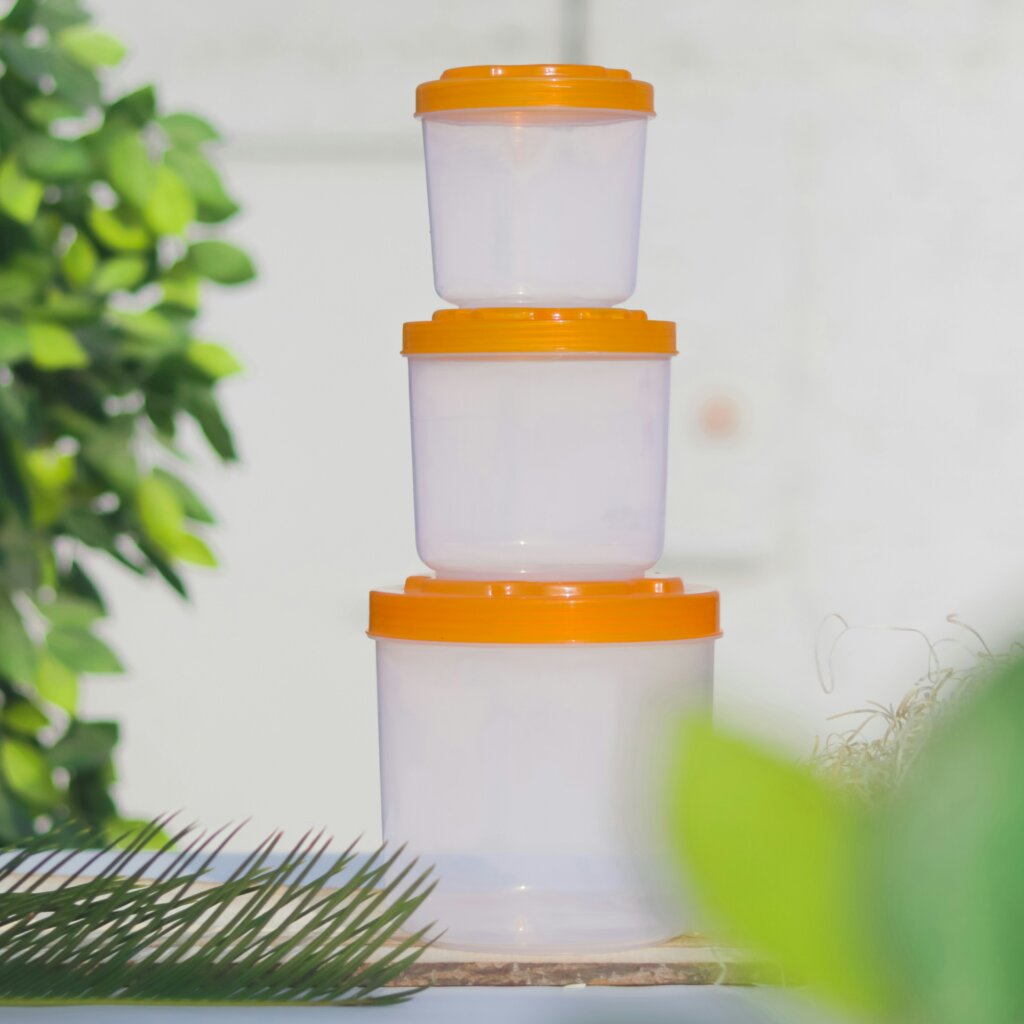
One prominent application is in packaging, particularly for food and beverages. PETG’s clarity allows consumers to see the product while ensuring safety through effective barrier properties.
Another crucial use is in medical devices. Its biocompatibility makes it a favorite choice for items like trays, containers, and even some types of surgical instruments.
The automotive sector also embraces PETG for components that require durability but lightweight characteristics. Interior panels or light covers often benefit from this material’s strength without adding excess weight.
Additionally, consumer goods such as electronics housings utilise PETG effectively, providing aesthetic appeal alongside functional protection.
With its adaptability across these fields, it’s clear why many manufacturers are turning to PETG injection moulding for their production needs.
Comparing PETG with other plastic materials
When evaluating plastic materials, it’s essential to see how PETG stacks up against others like ABS and PVC.
PETG offers excellent clarity and gloss. This makes it a popular choice for applications where aesthetics matter. In contrast, ABS is less transparent and has lower chemical resistance.
Durability is another key factor. While both PETG and ABS are tough, PETG shines in impact resistance, especially at low temperatures. It can withstand drops better than its counterparts.
With heat tolerance, however, ABS takes the lead over PETG. If your project requires high thermal resilience, that might be a consideration.
Regarding ease of processing, PETG is known for its straightforward injection moulding capabilities compared to some other plastics which may require specific conditions or additives.
Each material brings unique strengths to the table; understanding these differences helps make informed choices based on project needs.
Choosing the right manufacturer for PETG injection moulding
Selecting the right manufacturer for PETG injection moulding is crucial to your project’s success. Start by evaluating their experience in working with PETG specifically. A seasoned manufacturer will understand its unique properties and processing requirements.
Look for certifications that indicate quality assurance, such as ISO standards. This can give you confidence in their production capabilities. Consider their technology and equipment as advanced machinery often leads to better precision and faster turnaround times.
Communication is also key; a good partner will be responsive to your needs and offer clear timelines.
Don’t forget about customer reviews or case studies showcasing previous projects. These insights can provide valuable information on reliability and service quality.
Assess their ability to scale production based on your project demands. Flexibility can make all the difference when adapting to changes during the manufacturing process.
Conclusion
When considering the right material for your project, PETG stands out as a versatile option. Its unique combination of strength, clarity, and chemical resistance makes it suitable for various applications. Whether you are designing consumer products, medical devices, or packaging solutions, PETG can deliver durability and aesthetics.
However, it’s essential to weigh its advantages against potential drawbacks like higher costs compared to other plastics or specific processing challenges. Understanding your project’s requirements will help you determine if PETG is the ideal choice.
Assessing factors such as budget constraints, required properties, and intended use will guide your decision-making process. If PETG aligns with your needs and goals, then it could be an excellent addition to your manufacturing toolkit.
Book your free consultation
Give us a call to book your free consultation and learn how much value can be added to your business with SDI Plastics by your side.