How advanced 3D printing complements Plastic Injection Moulding in Australia
Blog
How advanced 3D printing complements Plastic Injection Moulding in Australia
Among constantly changing situation in the Australian manufacturing industry, two technologies have emerged and become indispensable in the manufacture of plastic elements: plastic injection moulding and high-tech 3D printing. It used to be thought of as competitors but these technologies are more and more being seen as complementary forces one with the high-volume efficiency of conventional manufacturing, the other with the speed, flexibility, and innovativeness demanded in the contemporary competitive marketplace.
Understanding plastic injection moulding
The practise of injection moulding is one of the pillars of the manufacturing industry in Australia. It is done by heating plastic granules and pushing them under pressure into a machined mould cavity, where the material solidifies and hardens to the required shape. This process is very effective in large quantity production as it offers uniform quality, very tight tolerance, and low cost per unit, especially in the production of thousands or millions of the same part.
However, there’s a catch. Initial expenses of plastic injection moulding especially mould tooling are high. Designing and machining a mould need much investment in time and money. This renders it infeasible to prototyping, low-volume, or applications intensive in customisation.
The rise of 3d printing in manufacturing
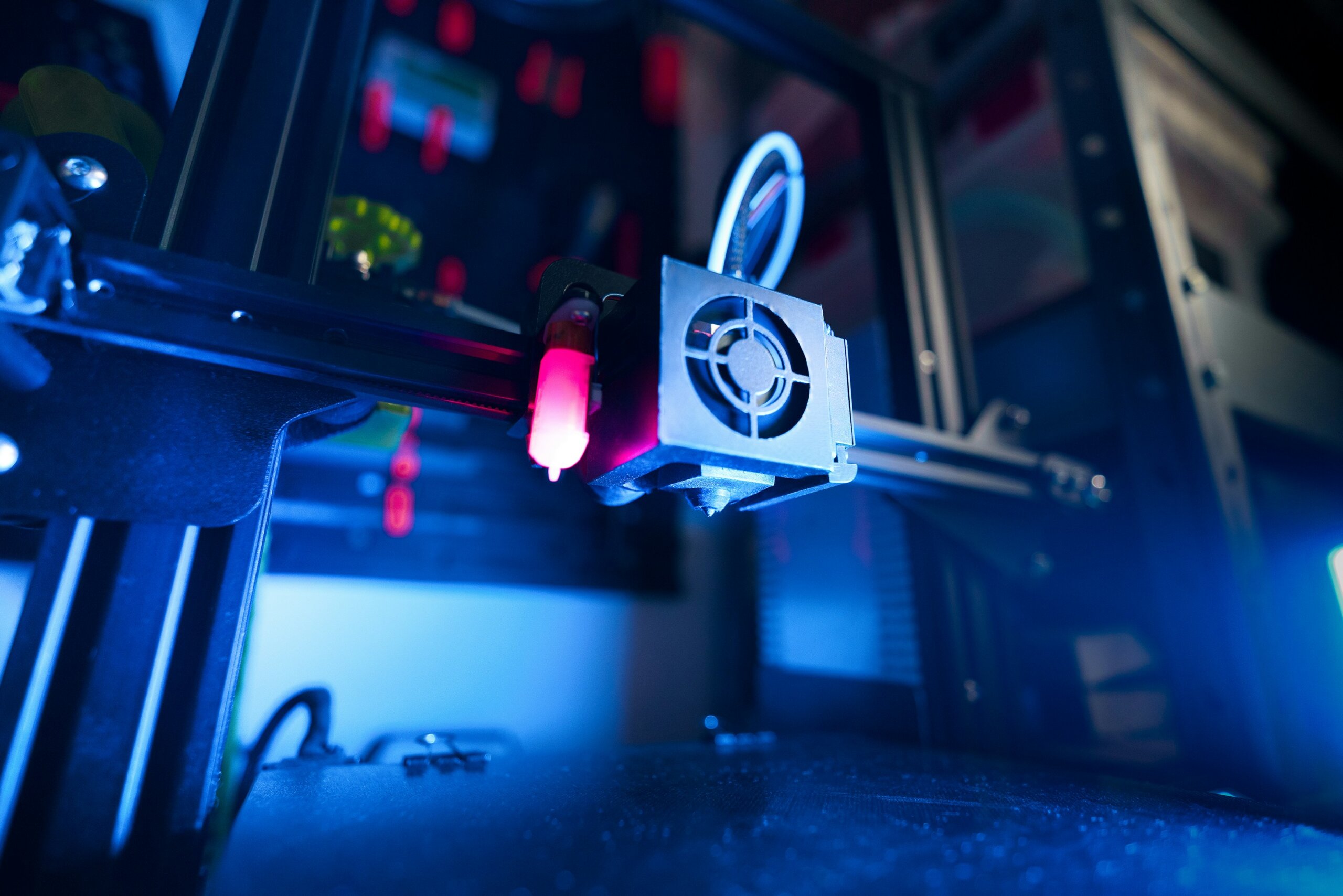
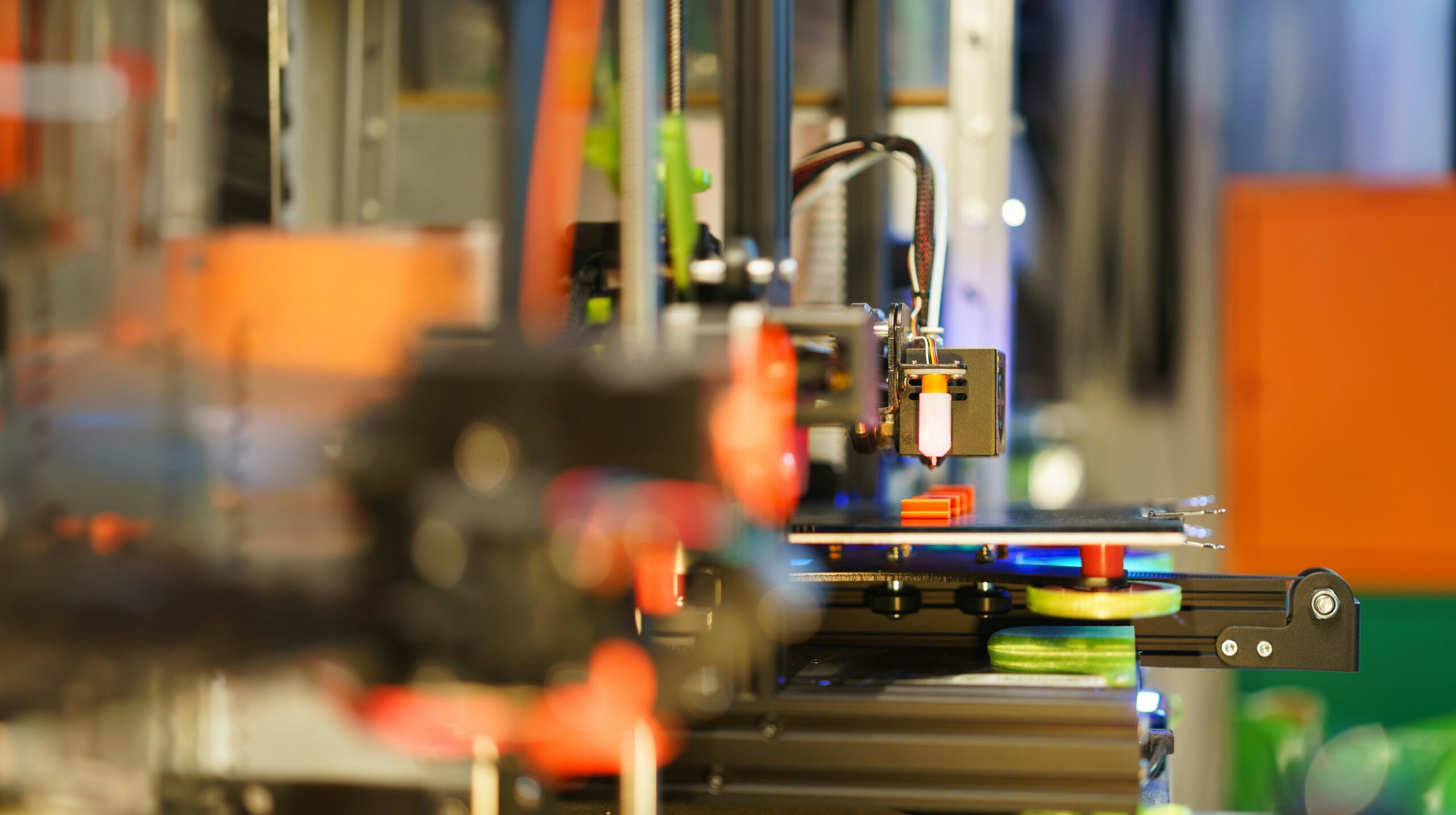
Enter 3D printing, also known as additive manufacturing, a revolutionary technology that constructs objects layer by layer from a digital model. In recent years, 3D printing has become more accessible and cost-effective, allowing Australian manufacturers to prototype quickly, adapt designs on the fly, and even produce end-use parts without the need for moulds.
The strength of 3D printing lies in its design freedom, speed, and low cost for small batches. When integrated alongside plastic injection moulding, it enables a hybrid manufacturing workflow that balances innovation and scale.
Six key ways 3d printing complements injection moulding
1. Accelerated and cost-effective prototyping
Before committing to costly mould production, manufacturers can use 3D printing to produce highly accurate physical prototypes within hours or days. This rapid turnaround allows engineers to iterate designs, perform functional testing, and gather client feedback early in the product development cycle.
Rather than risking errors in expensive tooling, 3D printed prototypes help validate the form, fit, and functionality of a part before transitioning to injection moulding. It’s a lean, efficient approach to prototyping that significantly reduces development costs and timelines.
2. Low-volume and short-run production
While injection moulding excels at high-volume manufacturing, it’s not economically viable for small runs. 3D printing bridges this gap by offering cost-effective production for limited quantities, whether it’s ten pieces for market testing or a few thousand customised units.
Australian businesses can now launch new products more confidently, testing demand and making refinements before scaling up with traditional moulding.
3. Enhanced design complexity and freedom
Injection moulding, although precise, is restricted by moulding constraints such as draft angles, undercuts, and wall thicknesses. 3D printing, on the other hand, enables the creation of complex geometries, lattice structures, and organic shapes that are impossible or cost-prohibitive with moulds.
An example: An Australian sports tech firm used 3D printing to produce custom-fitted mouthguards, scanning athletes’ mouths and creating intricate prototypes. Once validated, these designs were used to produce injection moulded tools for scalable manufacture, delivering both customisation and production efficiency.
4. Lightweighting and part consolidation
With 3D printing, manufacturers can design parts with internal lattice structures or consolidate multiple components into a single lightweight unit. These designs can then be refined for injection moulding production.
In a notable case, RMIT University developed a drone wing prototype using 3D-printed lattice structures that reduced weight by 40% and merged 70 parts into three. After testing, the design was adapted for moulding, offering scalability without compromising innovation.
5. On-demand and decentralised production
3D printing enables the production of parts on-demand, particularly useful for remote operations or spare part replacement. Australian mining firms, for example, are adopting industrial 3D printing to produce emergency components onsite, avoiding downtime while waiting for traditional moulded parts to be delivered.
By integrating injection moulded production with 3D printing for urgent or low-volume needs, manufacturers enhance operational resilience.
6. Personalised and customisable products
Customisation is increasingly expected by consumers, especially in medical and personal care sectors. 3D printing makes it feasible to produce personalised prototypes and test fits, while injection moulding takes over for standardised mass production.
Dental labs across Australia now routinely scan patients’ mouths, 3D print tailored appliances, and use the optimised designs to produce high-quality moulds, a fusion of bespoke design and large-scale output.
Practical applications where 3d printing supports injection moulding
1. Rapid mould and part prototyping
Before machining hardened steel tools, manufacturers prototype both parts and moulds using 3D printing. This de-risks the tooling investment, ensuring form and function are validated beforehand.
2. 3D printed mould inserts
Certain additive processes allow for metal 3D printing of mould inserts suitable for short production runs. This avoids expensive CNC tooling in the early stages, with the flexibility to upgrade to steel inserts later for higher volumes.
3. End-use part production
For low-volume, high-complexity parts, 3D printing can be used to manufacture the final product directly in thermoplastics such as nylon or ABS, the same materials used in injection moulding. This is ideal for bridge manufacturing or niche markets.
4. Tooling and mould modifications
Using 3D printing, engineers can add conformal cooling channels within moulds, something impossible through traditional drilling. These channels speed up cycle times and improve part consistency.
Tooling modifications, such as ejector pin layouts or gate changes, can also be prototyped quickly with 3D printers, reducing downtime and enhancing tool performance.
5. Fixtures, jigs, and manufacturing aids
From assembly line fixtures to quality inspection tools, 3D printing enables fast production of customised aids tailored to specific parts and processes. This reduces setup time and boosts productivity on the factory floor.
6. Spare parts and obsolete tooling
Obsolete or damaged components no longer need to halt production. With 3D printing, manufacturers can recreate critical parts or interim tools while replacement injection moulding tools are repaired or reordered.
Leading 3d printing technologies supporting injection moulding
Fused deposition modelling (FDM)
FDM is one of the most accessible and affordable technologies, suitable for early-stage prototyping using common injection moulding plastics such as ABS or PLA.
Stereolithography (SLA)
SLA printers deliver high-resolution parts with exceptional surface finish. Ideal for visual prototypes and design validation.
Selective Laser Sintering (SLS)
SLS uses powdered nylon and other plastics to produce functional parts with excellent mechanical strength, making it viable for both prototypes and production-ready components.
Multi Jet Fusion (MJF)
MJF technology offers high-speed, detailed printing in nylon, with consistent strength across all axes, ideal for parts later adapted to injection moulding workflows.
Direct Metal Printing (DMP)
For hybrid moulding operations, metal 3D printers produce high-strength tooling and inserts, often incorporating lightweight designs and cooling features not possible through conventional manufacturing.
Benefits for Australian manufacturers
The synergy between 3D printing and injection moulding delivers measurable value across key business metrics:
- Speed to Market: Launch products faster by reducing prototyping and tooling timelines.
- Cost Efficiency: Reduce initial capital outlay for testing and tooling changes.
- Design Innovation: Explore complex geometries without incurring moulding constraints.
- Operational Agility: Manufacture tools, jigs, or spare parts on-site, on-demand.
- Sustainability: Reduce material waste by prototyping only what’s needed.
- Product Personalisation: Offer mass-customised products with optimised moulded designs.
- Resilience: Strengthen local production capabilities and reduce offshore dependency.
Final thoughts
As the Australian manufacturing sector shifts towards more agile, sustainable, and design-driven production models, the integration of 3D printing with plastic injection moulding is not just beneficial, it’s becoming essential. These technologies, when thoughtfully combined, empower manufacturers to experiment boldly, iterate quickly, and scale reliably.
For forward-thinking businesses, this hybrid approach unlocks a future of flexible innovation, enhanced speed-to-market, and customer-centric product design. Whether you’re producing a thousand parts or a million, blending injection moulding with 3D printing ensures you’re equipped for today’s demands and tomorrow’s opportunities.
Book your free consultation
Give us a call to book your free consultation and learn how much value can be added to your business with SDI Plastics by your side.