
The role of injection moulding in agricultural equipment manufacturing
Blog
The role of injection moulding in agricultural equipment manufacturing
Authored By: SDI Plastics
Agriculture has always been an industry of resilience, with machines battling mud, heat, and long hours under the sun. For decades, metal carried that weight. But today, the story is shifting. Plastics, shaped through injection moulding, are redefining how agricultural equipment is built and maintained.
From lighter fuel housings to corrosion-resistant irrigation parts, injection moulding is becoming the backbone of smarter, more cost-effective farming machinery.
Why agriculture needs more than metal
For decades, agricultural machinery was defined by steel, bolts, and grease. Farmers trusted weight and toughness. But today’s machines need something more, lightweight parts, corrosion resistance, ergonomic designs, and lower costs.
This is where injection moulded plastics step in. They aren’t replacing metal outright. Instead, they’re transforming the equation: keeping strength where it’s needed while introducing speed, flexibility, and sustainability where possible.
The hidden truth? Modern tractors, irrigation systems, and harvesters already rely heavily on plastic components, often in places you wouldn’t expect.
What is injection moulding and why does it matter?
Injection moulding is the process of injecting molten plastic into a mould to form precise, repeatable parts. It matters because agriculture demands three things:
- Scale – Machines aren’t built in tens, they’re built in thousands.
- Reliability – A broken part in the middle of harvest can cost a farmer an entire season.
- Cost control – Margins in agriculture are tight. Input costs must stay predictable.
Injection moulding delivers on all three.
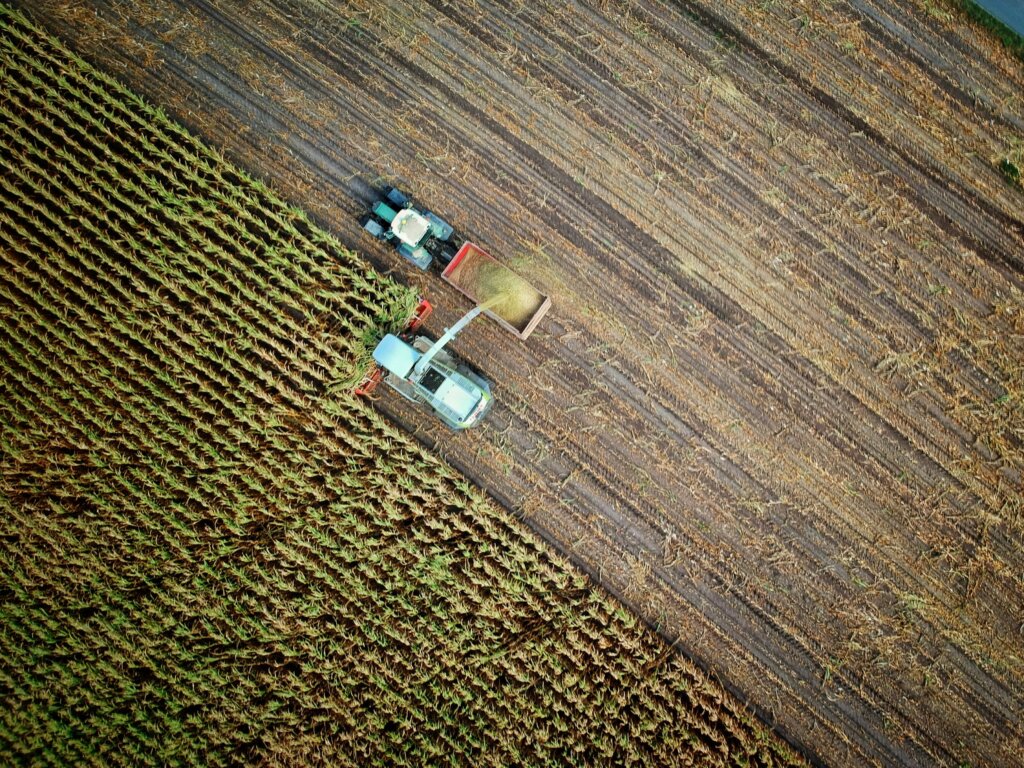
Key applications of injection moulding in agricultural equipment
1. Protective housings and casings
From GPS units on tractors to water pump inclosures, plastics protect electronics from dust, rain, and impact. Unlike metal, they don’t corrode.
2. Fuel and hydraulic system components
Injection moulded fuel caps, fluid reservoirs, and valve housings offer chemical resistance and precision fit, reducing leakage risks.
3. Wear parts and handles
Seed drill covers, sprayer nozzles, and ergonomic tractor handles are commonly moulded. They combine comfort, lightweight handling, and long-term durability.
4. Irrigation systems
Sprinkler heads, drip irrigation fittings, and connectors rely on plastics for flexibility and water-tight sealing.
5. Cabin interiors and ergonomics
Seats, dashboards, vents, and storage units, all designed for operator comfort, are almost always injection moulded.
Why not just use metal?
It’s tempting to think heavier equals better. But farming today isn’t just about brute force.
- Weight matters – lighter machines consume less fuel.
- Corrosion costs – fertilisers, pesticides, and moisture eat into metal.
- Design flexibility – plastics allow complex geometries metal can’t achieve without high machining costs.
The result? Smart manufacturers are blending materials. Metals where force is unavoidable, plastics where flexibility, cost, and resistance shine.
Cost, scale, and the sustainability equation
Every manufacturer asks: how do we balance cost, performance, and sustainability?
Injection moulding offers three advantages:
- Lower per-unit cost once tooling is set up.
- Scalable production – from 1,000 to 100,000 parts without loss of quality.
- Recyclability – many modern plastics can be reground and reused, reducing waste.
For agricultural equipment, this means lower machine prices, easier maintenance, and better margins for both manufacturers and farmers.
Case in point: a seeder redesign
An Australian startup redesigned its mechanical seed drill. Originally steel-heavy, it suffered from rust in coastal regions. By switching key covers and gears to glass-filled nylon, weight dropped 20%, corrosion disappeared, and farmers reported lower maintenance costs.
The bigger insight? Sometimes resilience doesn’t come from making parts stronger. It comes from making them smarter.
Challenges in agricultural injection moulding
It’s not all advantages. Injection moulding in agriculture has unique hurdles:
- UV exposure – plastics degrade under constant sunlight unless stabilised.
- Temperature extremes – from frost in winter to 40°C summers, parts must resist cracking.
- Mechanical stress – constant vibration and impact demand reinforced polymers.
- Regulatory standards – food-contact parts in irrigation must meet strict safety guidelines.
Smart design is about anticipating failure points before they happen.
Material choices that define success
Not all plastics are equal. Agricultural equipment typically relies on:
- Polypropylene (PP) – chemical resistance, cost-effective, perfect for irrigation parts.
- Nylon (PA6, PA66) – strength and wear resistance for gears and bearings.
- ABS – impact resistance for housings and dashboards.
- Polycarbonate (PC) – transparency and toughness for protective covers.
The choice depends on one question: What failure are you most worried about, cracking, corrosion, or cost?
Design thinking for the farm
Injection moulding in agriculture isn’t just about replacing metal with plastic. It’s about redesigning systems for the real world:
- Modularity – irrigation fittings that snap instead of weld.
- Ergonomics – handles shaped for long hours of manual work.
- Repairability – parts easy to swap in the field with basic tools.
This is design thinking applied to agriculture: solving human problems through better systems.
SDI plastics: from concept to field-ready parts
At SDI Plastics, the approach goes beyond simply moulding parts. The team collaborates from the start:
- Material selection – ensuring UV-stable, chemical-resistant grades.
- Tooling design – balancing upfront cost with production scale.
- Prototyping and testing – validating performance before full production.
- End-to-end manufacturing – delivering consistent, quality-assured parts.
This partnership mindset is what helps manufacturers de-risk decisions. Because in agriculture, the cost of getting it wrong is measured in harvests lost, not just dollars.
Cross-industry lessons that apply to agriculture
Agriculture isn’t alone. Lessons from other sectors strengthen its future:
- Automotive – reinforced plastics in cars prove their worth under vibration and stress.
- Medical devices – demand for precision and biocompatibility translates into strict quality processes.
- Consumer electronics – ergonomic plastics show how design improves usability.
When these insights migrate to tractors and irrigation systems, everyone benefits.
The future: smart plastics and circular design
Tomorrow’s agricultural plastics won’t just be moulded. They’ll be intelligent:
- Sensors embedded in housings to monitor wear.
- Bioplastics replacing petroleum-based resins.
- Closed-loop recycling systems where old parts feed new moulds.
The aphorism? The future of farming equipment won’t be heavier. It will be lighter, smarter, and circular.
Implications for manufacturers and entrepreneurs
So what does all this mean for your business?
- If you’re scaling a new agricultural product, injection moulding offers reliability and cost-efficiency.
- If you’re redesigning existing machines, plastics unlock corrosion resistance and lighter weight.
- If you’re planning for the future, sustainable materials and recyclable designs will become market differentiators.
The hidden system here is simple: better materials enable better machines, which enable better harvests.
Conclusion
Injection moulding is no longer an option, it’s a necessity in agricultural equipment manufacturing. It enables scalability, cost-efficiency, and innovation while addressing the practical realities of farming. For companies in Australia and beyond, partnering with experienced moulders like SDI Plastics can mean the difference between a product that struggles and one that thrives in the field.
In agriculture, timing is everything. Injection moulding helps manufacturers deliver not just parts, but reliability, harvest after harvest.
Book your free consultation
Give us a call to book your free consultation and learn how much value can be added to your business with SDI Plastics by your side.